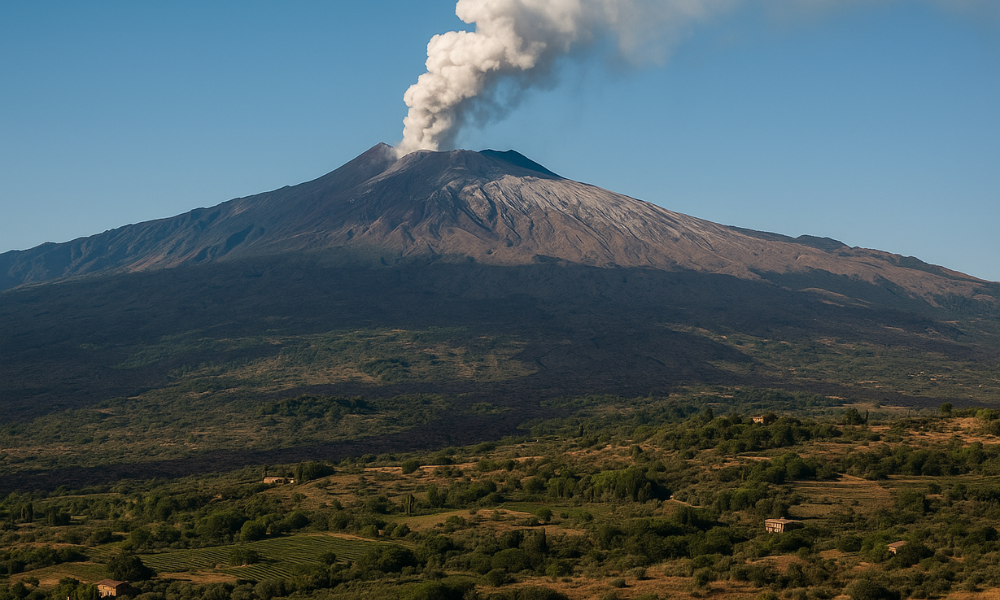
Mongibello Etna is the name people use for the same giant volcano that sits on the east side of Sicily. Many call it Mount Etna, some call it Mongibello. Both names point to one strong mountain that shapes life around it. The word “Etna” comes from old Greek and means burn. The word “Mongibello” mixes Latin and Arabic roots that both mean mountain. This shows how many cultures have lived near this place and how this volcano became part of their language and stories.
Mongibello Etna is more than a volcano. It is a landmark for travelers, a subject for myths, and a key part of Sicilian life. It has a long history of eruptions, a wide landscape, deep layers of rock, and a strong presence that draws many visitors. In this article, you will learn where its names came from, how it formed, how often it changes, and how people live with it. You will also see why tourists visit it and why scientists study it. This is a full look at Mongibello Etna in a way that is simple, clear, and easy to read.
Name Origins and Meanings: Why “Mongibello” and “Etna” Co-exist
The name Etna comes from the old Greek word aíthō, which means burn. Some also link it to the Phoenician word attuna, which means furnace. Both ideas fit this volcano because heat, fire, and glowing lava shape its whole identity. These older groups lived near Sicily long ago, so their words stayed and became part of the mountain’s name.
The name Mongibello has a different story. It comes from two words that both mean mountain. The Latin word mons means mountain, and the Arabic word jabal (جبل) means mountain as well. When these cultures mixed on the island, the words joined and formed one name. This gives Mongibello a double meaning like “mountain mountain”, which shows how people saw it as the main mountain above everything else.
Many locals still call it A Muntagna, which simply means “the mountain”. This shows how deep the volcano sits in daily life. People use this name with respect, as if no other mountain needs a title.
Using both names, Mongibello and Etna, shows two sides of this place. One name connects to science and history. The other connects to culture, feelings, and local life. Together they give a full picture of a volcano that is part of land, story, and identity.
Geological Profile: The Anatomy of Mongibello / Etna
Mongibello Etna is an active stratovolcano on the east side of Sicily, placed between the cities of Messina and Catania. It stands as one of the largest and most active volcanoes in the region. Its height stays close to 3,400 meters, but this number changes as eruptions add or remove material from the summit. The base of the volcano covers a wide area of about 1,190 square kilometers, with a rough circumference of 140 kilometers. This shows how massive and dominant the mountain is on the landscape.
The structure of Mongibello Etna is complex. It has many summit craters, each with its own activity pattern. It also has many vents on the sides, where lava can escape during eruptions. Large zones of old and new lava flows shape the slopes and create the rough, dark ground that surrounds the volcano. The term Mongibello often refers to the present summit cone, which is the latest part of the volcano built through centuries of fresh eruptions.
Its location explains why it stays active. Mongibello Etna sits near the meeting point of the African Plate and the Eurasian Plate. Movement between these plates creates pressure and heat under the surface. This energy rises and fuels the volcano, keeping it alive and changing through time.
Historical and Recent Eruptions: From Ancient Times to Today
Mongibello Etna has a very long history of eruptions. People recorded its activity thousands of years ago, which makes it one of the most active volcanoes in the world. Its past shows steady movement, new lava paths, and long periods of fire that shaped the land again and again through many ages.
Some eruptions became well known because they changed the mountain in clear ways. Flank eruptions from past decades opened new cracks on the slopes. Summit eruptions pushed fresh lava upward and changed the shape at the top. These eruptions raised or lowered the height and shifted the form of the summit. Mongibello Etna keeps changing through time as each event adds or removes material.
Life around the volcano moves with this activity. Most eruptions did not bring heavy loss of life, but they still affected nearby towns. Ash in the air, lava close to roads, and closed airports are common when the volcano becomes active. People live with this mountain and see it as a strong and constant presence in their daily life.
In recent years, Mongibello Etna showed more active periods. Eruptions in 2021 and 2022 brought bright lava fountains, ash clouds, and changes at the summit. These events showed that the volcano stays alive and continues to reshape itself.
Cultural Significance: How Mongibello Shapes Sicilian Identity
Mongibello Etna holds a deep place in Sicilian culture. Many old stories, myths, and local legends come from this volcano. In Greek myth, people believed the fire under the mountain was the forge of Hephaestus, the god who worked with metal. Writers, poets, and artists used the volcano as a symbol of strength, heat, and mystery. These ideas passed from one generation to another and became part of the island’s identity.
The name Mongibello carries a warm and familiar feeling for local people. It sounds personal and close, like a name you give to something that stands with you through life. Locals use it in daily talk and call it with respect. For them, Mongibello is not only a volcano. It is a place that watches over their homes and shapes their stories.
The land around the volcano is rich because of its volcanic soil. Farms grow grapes, olives, citrus, and many other crops. Vineyards on its slopes are known for strong and unique wine. The area also attracts many travelers. People come to see the craters, lava fields, and wide views from the mountain. Mongibello Etna is a major point for tourism and brings visitors from many places.
In 2013, the volcano earned UNESCO recognition. This showed its value not only for Sicily but for the whole world. The title honors the volcano’s history, nature, and cultural role, making Mongibello Etna a symbol with global importance.
Visiting Mongibello/Etna: Tips for Tourists & Adventurers
Reaching Mongibello Etna is simple for most visitors. Many start from Catania, as the city sits close to the base of the volcano. From there, travelers can take a bus, car, or tour ride up to Rifugio Sapienza, which is the common starting point. A cable car runs from this area and takes people higher up the slope. Some choose to hike from lower points, while others walk with guides near the upper stations for a closer look at the land.
The mountain offers many experiences. Visitors can see summit craters, old lava paths, and wide fields of black rock that came from past eruptions. On the south side, there is even a small ski area that opens during winter when snow covers the slopes. Many tours bring people to safe zones where they can explore the ground, learn the history, and enjoy the open views across Sicily.
Safety plays a big role when visiting Mongibello Etna because it is still an active volcano. Conditions can shift fast. Some areas open and close depending on activity levels. Visitors follow local rules, stay with guides, and avoid walking into restricted places. This helps keep the whole trip calm and safe.
The best time to visit is usually late spring or early autumn. The weather stays clear and pleasant, and crowds are lighter. It is good to pack strong boots, a warm jacket, and a hat, because the air near the summit can be cold even on warm days. The weather changes fast at higher points, so simple gear makes the trip easier and more comfortable.
Environmental & Scientific Importance: Why Mongibello Matters to the World
Mongibello Etna draws strong interest from scientists because of its size, long history, and steady activity. It is listed as a Decade Volcano, a title given to volcanoes that can teach experts more about hazards and patterns. This label shows how valuable the mountain is for research and how much it can reveal about the way volcanoes work.
Italian volcanology teams watch the volcano every day. They study gas levels, ground movement, heat, and tremors. This close monitoring helps scientists understand the deep systems under the mountain. Many lessons learned from Mongibello Etna help experts study other volcanoes around the world. It acts like a natural classroom where new ideas and models come to life.
The volcano shapes the land in many ways. Lava flows create new surfaces, while ash feeds the soil and helps plants grow. Different layers of vegetation appear at different heights, from forests to rocky ground near the summit. The land shows a mix of danger and fertility, where heat and soil work together to form new life.
Tourism and the local economy connect with the need to protect this place. Many people visit Mongibello Etna each year, so the land must stay safe and clean. Guided tours, marked paths, and rules help keep the area stable. This balance allows people to enjoy the mountain while still caring for the environment that makes it special.
Future Outlook: What’s Next for Mongibello Etna?
Mongibello Etna will keep changing with time. Its height may rise or fall as new eruptions add fresh layers or remove parts of the summit. New craters may open on the slopes, and old ones may shift or close. Scientists watch these changes through constant tracking, using tools that measure ground movement, temperature, and gas activity. This helps them understand how the mountain grows and what may happen next.
Tourism and local life will also face new challenges. The volcano draws many visitors each year, but changing weather, climate patterns, and unexpected activity can affect travel plans and the way people move around the region. Roads, towns, and services must stay prepared. The area learns to adjust and stay flexible, because the volcano never follows a fixed pattern.
Communities around Mongibello Etna stay ready through risk plans and safety training. They study past eruptions and use those lessons to prepare for future events. This includes clear evacuation paths, public alerts, and close communication with monitoring teams. These steps help protect families, homes, and daily life when the volcano becomes active.
For locals and visitors, Mongibello Etna will always be a dynamic place. It shows beauty in its wide views and glowing lava, and strength in its shifting land and steady activity. It stands as both a natural wonder and a reminder of the power beneath the surface.
Conclusion
Mongibello Etna is more than a mountain of fire. It is a geological landmark, a strong cultural symbol, and a source of life for Sicily. Its slopes feed farms, its story inspires art, and its power shapes the land around it. Both names, Mongibello and Etna, show different sides of this mountain and help us see how deep its history runs.
Understanding these names gives a clearer picture of its identity. One name reflects its ancient roots. The other connects to local life. Together they explain why this volcano stands with such importance in Sicily and beyond.
Whether you plan to visit, study, or enjoy it from afar, Mongibello Etna offers something meaningful. It invites people to explore its paths, respect its strength, and learn from its story. This mountain carries a living legacy that continues to grow with time. Let its fire, land, and history guide your next step toward discovery.
Quick Answers for Curious Readers
What is the meaning of Mongibello?
Mongibello comes from Latin mons and Arabic jabal. Both mean mountain. It is a name people use for the upper part of Etna.
Is Mongibello the same as Mount Etna?
Yes. Mongibello and Etna point to the same volcano, but Mongibello is more common in local talk.
Why does the volcano change shape?
Eruptions add new layers or remove parts of the summit, which makes the height and outline shift through time.
Is it safe to visit Mongibello Etna?
Yes, it is safe when visitors follow guides and stay in open zones. Local teams watch the volcano every day.
Why is the soil around the volcano so fertile?
Volcanic ash enriches the ground, which helps crops grow and supports vineyards and farms.
What makes Mongibello Etna important globally?
It is a Decade Volcano, which means scientists study it to understand volcanic activity and improve safety worldwide.
Disclaimer: This content is for general information only. Details about Mongibello Etna, its activity, and travel guidance may change with time. Visitors should always check local updates, follow official safety instructions, and use trusted sources before planning any trip.
Enjoyed reading? Check my website for more useful and unique content: Old Welwyn Herts