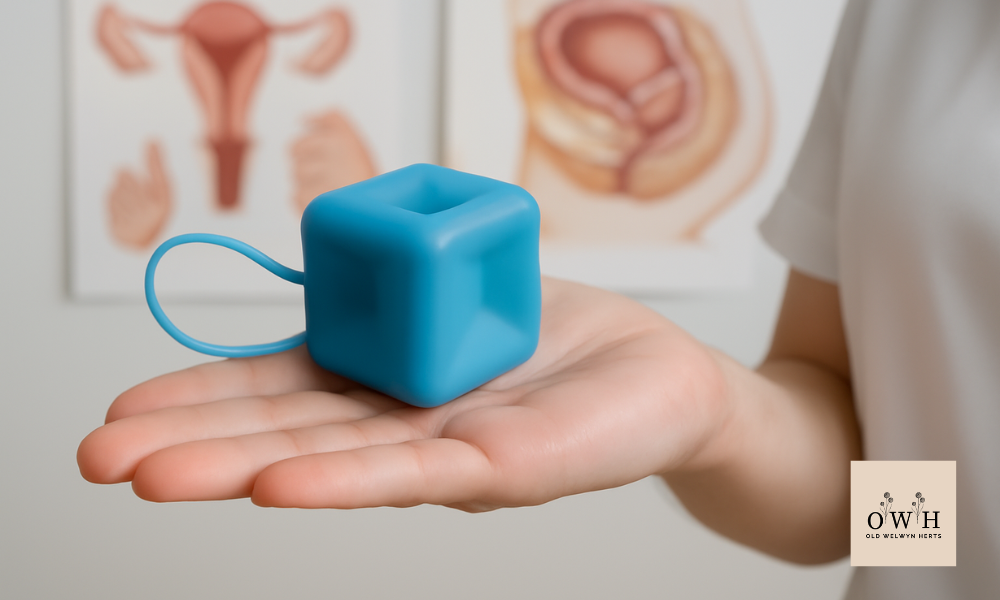
GyneCube is a type of vaginal pessary — a small, soft device made of medical‑grade silicone that a woman can insert into her vagina to support her pelvic organs when those organs begin to sag or shift due to weakened pelvic floor muscles.
This support matters because conditions like Pelvic Organ Prolapse (POP) and urinary incontinence can make daily life difficult. Some women feel a sense of fullness, pressure, or discomfort. Others struggle with leakage or find normal activities harder. A properly fitted pessary such as GyneCube can ease these symptoms — offering non‑surgical relief and letting women continue daily routines without major disruption.
In this article, I aim to give a clear, balanced, and evidence‑based guide to GyneCube. I will explain what it is, how it works, who may benefit, how to use it safely, its pros and cons, and how it compares with other pelvic‑support options. The goal is to help readers make informed decisions — not sell a product.
Understanding GyneCube: What It Is and How It Works
GyneCube is a type of vaginal pessary. A pessary is a soft, medical‑grade silicone device inserted into the vagina to support pelvic organs when the natural support system (muscles and tissues) weakens.
GyneCube belongs to a group often called cube pessaries. Its shape is roughly a cube — with flat or slightly concave sides. These sides allow the device to gently “stick” or suction against the walls of the vagina once inserted. This suction helps hold the pessary in place without needing overly large size.
Because of this shape and suction mechanism, GyneCube provides internal support for organs like the uterus, bladder, or vaginal walls if they have begun to descend or bulge due to weakened pelvic floor muscles.
GyneCube’s material — soft silicone — is chosen because it is safe, non‑absorbent, flexible, and generally well tolerated by vaginal tissue.
In short: GyneCube works by creating internal support where the body’s natural support has weakened. Once properly fitted and inserted, it helps keep pelvic organs in their correct position.
Who Might Benefit from GyneCube
GyneCube can provide relief to women who experience a range of pelvic health issues, especially those related to weakened pelvic floor muscles. Below are some common conditions where GyneCube can make a significant difference:
Pelvic Organ Prolapse (POP)
POP occurs when pelvic organs like the bladder, uterus, or rectum drop or bulge into the vaginal area due to weakened muscles or connective tissues. A cube pessary like GyneCube can offer support to these organs, helping relieve pressure, discomfort, and other symptoms of POP.
Cystocele and Rectocele
A cystocele happens when the bladder pushes into the front wall of the vagina, and a rectocele occurs when the rectum pushes into the back wall. Both conditions are types of prolapse and can cause symptoms like urinary difficulties or rectal pressure. GyneCube helps support these organs, reducing discomfort and allowing for better bladder and bowel function. (pmc.ncbi.nlm.nih.gov)
Uterine Prolapse
When the uterus descends or sags into the vaginal canal, it can cause pelvic pressure, urinary leakage, or even pain during sex. A pessary like GyneCube can relieve these symptoms by lifting and supporting the uterus.
Urinary Incontinence
Urinary incontinence, particularly stress incontinence, happens when the pelvic floor muscles are too weak to support the bladder, leading to leakage during activities like coughing or sneezing. GyneCube provides extra support to the bladder, helping manage incontinence. It’s especially helpful for postpartum women or those who have had pelvic surgery. (aafp.org)
Women Recovering After Delivery or Pelvic Surgery
After childbirth or surgery, the pelvic floor can take time to heal. GyneCube can provide temporary relief by supporting the organs while the muscles regain strength. It’s particularly useful in the recovery phase when a woman may need additional support without rushing into surgical treatments.
Non-Surgical Preference or Inability
Some women may not be able to undergo surgery due to health reasons, or they may prefer to avoid it. In these cases, a pessary like GyneCube can provide a non-invasive, cost-effective solution for managing pelvic organ prolapse and related conditions. It gives women the option to manage their condition without the need for more invasive treatments.
How to Use GyneCube: Fitting, Insertion, Removal and Maintenance
Professional Fitting and Size Selection
GyneCube, like other pessaries, should be properly fitted by a healthcare professional. During the fitting, the doctor will evaluate the size and shape of your vaginal canal and recommend the right size of GyneCube to ensure comfort and effectiveness. It’s important to note that an improperly fitted pessary may cause discomfort or fail to provide the needed support. Therefore, always seek professional advice for the correct fitting.
Step-by-Step Insertion and Removal
Once your GyneCube is properly fitted, the next step is inserting and removing it. Here’s a simple step-by-step guide:
- Inserting: Wash your hands thoroughly before touching the device.
- Positioning: Relax your pelvic muscles. Using your fingers, gently insert the GyneCube into the vaginal canal, positioning it high enough to provide the necessary support for the pelvic organs.
- Adjusting: Once in place, make sure the device feels comfortable and is not causing any pain or irritation.
For removal, simply use your fingers to gently pull the device out. If you’re having difficulty, your doctor can assist you during your follow-up visits.
It’s important to ensure that the device remains in place for as long as recommended. The process is easy, but professional guidance is essential to ensure it is inserted correctly.
Daily Wear vs. Part-Time Use; Hygiene and Cleaning Protocols
GyneCube is typically designed for daily wear but can also be used part-time if recommended by a healthcare professional. It’s important to follow the guidelines from your doctor regarding the duration and frequency of use.
Hygiene is key when using any pessary. To ensure the device remains effective and safe:
- Clean your GyneCube with warm water and mild soap after each use.
- Avoid using harsh chemicals or fragrances on the device, as they may irritate the vaginal tissues.
- Dry the device thoroughly before reinsertion to prevent any buildup or infections.
Make sure to also keep your vaginal area clean. Regular washing helps maintain healthy tissue and reduce the risk of infections.
When to Consult a Healthcare Professional
While GyneCube can be managed independently, regular checkups with your doctor are essential for long-term health. You should consult a healthcare provider if you notice any of the following:
- Discomfort or Pain: If the device causes discomfort or becomes difficult to remove.
- Irritation: If you experience vaginal irritation, redness, or abnormal discharge.
- Changes in Symptoms: If symptoms of prolapse or incontinence worsen or if new symptoms appear.
- Infections: If you notice signs of infection, such as unusual vaginal odor or discomfort.
Regular medical reviews ensure that the device continues to fit properly and remains safe for use. Additionally, if you are using GyneCube for postpartum recovery or following surgery, your doctor will monitor your progress and adjust your care plan as needed.
Benefits and Potential Advantages of GyneCube
Using a pessary like GyneCube can offer real benefits for women dealing with pelvic organ prolapse (POP), urinary incontinence, or weakened pelvic support — often with fewer downsides than surgical options. Here are the main advantages:
Non‑surgical, reversible solution offering support
- GyneCube offers a non‑invasive option when surgery is not desired or possible. A pessary can hold up pelvic organs and relieve prolapse without any incision or permanent change.
- Because it is removable, its use is reversible. If a woman decides later for another therapy, she can stop using it. This flexibility makes it a good choice for those who want to avoid or delay surgery.
Immediate symptom relief (pressure, heaviness, leakage)
- A pessary supports and repositions organs like bladder, uterus, and vaginal walls back into place, reducing the sense of bulge, fullness or pressure many feel with prolapse.
- For women with urinary incontinence or stress incontinence, a pessary can reduce or stop leakage by offering structural support—helping bladder and urethra stay in the correct position during activities that increase pressure.
- Many users report improved comfort, better bladder/bowel function, and improved quality of life — sometimes soon after pessary fitting.
Autonomy and convenience (self‑managed in many cases)
- Some types of pessaries — including “cube pessaries” — allow self‑management: women can insert, remove, and clean them at home, reducing the need for frequent clinic visits.
- This convenience can be especially helpful for women who want control over their pelvic health without depending on repeated doctor visits or complicated care.
Cost‑effectiveness compared to surgery or long‑term treatments
- Using a pessary can be more affordable than surgical interventions or long-term medical treatments. Because it avoids surgery, hospital stays, and recovery time, it can reduce overall costs and health‑care burden.
- For many women — especially those who are not ready for surgery or want a temporary but effective solution — a pessary offers an efficient way to manage symptoms without expensive procedures.
Helps while pelvic floor recovers or alongside therapy
- A pessary can support pelvic organs while a woman does pelvic floor exercises or undergoes physical therapy — making it easier to start recovery without discomfort or prolapse symptoms interfering.
- This can be especially valuable for postpartum women or those recovering from pelvic surgery, giving them time and support while their pelvic tissues heal.
GyneCube vs Other Pessary Types or Treatment Options
Comparing GyneCube with Other Pessary Types
GyneCube is just one of several pessaries available for women with pelvic organ prolapse (POP) and urinary incontinence. Let’s compare it with a few common types of pessaries and surgical options:
- Ring Pessaries:
Ring pessaries are round devices that fit around the cervix, offering support to the pelvic organs. They are typically used for mild to moderate prolapse. However, some women find them uncomfortable, especially during physical activity, and they can slip out of place. GyneCube, on the other hand, uses suction to stay securely in place and offers more stability and comfort. - Gellhorn Pessaries:
Gellhorn pessaries are flat, disc-shaped devices with a stem and are used for more severe prolapse cases. These can provide stronger support, but they are bulkier and harder to insert and remove than GyneCube. The larger size can also lead to discomfort, especially for women with a smaller vaginal canal. - Surgical Options:
Surgical treatments for prolapse, such as sacrocolpopexy or colporrhaphy, are usually recommended when the prolapse is severe or when other treatments fail. While surgery offers long-term results, it requires a hospital stay, a significant recovery period, and carries risks of complications. GyneCube offers a non-invasive, temporary solution without the need for surgery, making it a less risky and more affordable option.
Pros and Cons: Comfort, Support Level, Ease of Use, Maintenance, Cost, Suitability for Different Prolapse Severities
- Comfort:
GyneCube tends to be more comfortable for many women due to its smaller, flexible design and suction mechanism, which holds it securely in place. Larger pessaries like the Gellhorn can feel bulky and may cause irritation if not fitted correctly. - Support Level:
GyneCube is effective for mild to moderate prolapse. However, for women with more severe prolapse, a Gellhorn pessary or surgical options may provide the necessary level of support. - Ease of Use:
GyneCube is relatively easy to insert, remove, and clean, making it more convenient for self-management. In contrast, ring and Gellhorn pessaries may require professional fitting and more frequent visits for adjustments. - Maintenance:
All pessaries require regular cleaning, but GyneCube’s small size and simple design make it easier to maintain than larger pessaries like the Gellhorn, which can be more complicated to clean due to its stem and size. - Cost:
GyneCube is a cost-effective solution compared to surgery, which can be expensive and require a long recovery period. While ring and Gellhorn pessaries may have a similar cost to GyneCube, the non-invasive nature of GyneCube makes it more affordable in the long run. - Suitability for Different Prolapse Severities:
GyneCube is best for women with mild to moderate prolapse. Severe cases may require larger pessaries like the Gellhorn or surgical options for more effective support.
Expert Tips and Best Practices for Long-Term Pelvic Health
Importance of Combining Device Use with Pelvic Floor Exercises / Physiotherapy
GyneCube is an excellent tool for providing support to the pelvic organs, but it should be combined with pelvic floor exercises (like Kegel exercises) to strengthen the muscles that support the bladder, uterus, and rectum. Doing these exercises regularly can improve pelvic health and help prevent further prolapse. Working with a physiotherapist who specializes in pelvic health can guide you in strengthening the pelvic floor properly while using a pessary.
Monitoring Tissue Health / Vaginal Hygiene / Regular Medical Reviews
It’s important to monitor your pelvic health regularly, especially if you’re using a pessary for a long time. Make sure to maintain good hygiene to avoid infections. Clean your GyneCube after each use with mild soap and warm water, and dry it thoroughly before reinserting it. Regular checkups with your healthcare provider will ensure that the device is still properly fitted and that there are no signs of irritation, infection, or tissue damage.
Lifestyle Habits Supporting Pelvic Health
To further support your pelvic health, consider the following lifestyle habits:
- Weight Management: Keeping a healthy weight reduces the pressure on the pelvic area and can prevent the worsening of prolapse symptoms.
- Avoiding Heavy Lifting: Lifting heavy objects can strain the pelvic floor, so it’s important to avoid this when possible.
- Gentle Exercise: Low-impact exercises, like walking or swimming, can help strengthen the pelvic floor muscles without putting too much pressure on them.
Conclusion
Recap:
GyneCube is a non-invasive, flexible solution for women experiencing pelvic organ prolapse and urinary incontinence. It provides temporary support for the pelvic organs and helps alleviate symptoms like pressure, heaviness, and leakage. It’s most suitable for women with mild to moderate prolapse, but it’s important to combine its use with pelvic floor exercises and lifestyle changes for the best long-term results. Regular checkups and proper hygiene are key to ensuring the device works effectively and safely.
Guidance:
Before using GyneCube, it’s crucial to consult with a qualified healthcare provider, such as a gynecologist or pelvic floor specialist, to ensure it’s the right choice for your condition. A healthcare professional will help fit the device correctly and guide you on its proper use.
Encourage Informed Decisions and Pelvic Health Awareness
Pelvic health is an important part of overall well-being, and there are many options available to manage conditions like prolapse and incontinence. By understanding the benefits and limitations of solutions like GyneCube, combining them with exercises and healthy habits, and seeking expert guidance, women can take control of their pelvic health and make informed decisions that best suit their needs.
Frequently Asked Questions (FAQs)
WHAT IS GyneCube?
GyneCube is a type of vaginal pessary, made from medical-grade silicone, designed to provide support to the pelvic organs in women experiencing prolapse or incontinence. It helps to relieve symptoms such as pressure, discomfort, and leakage.
WHO CAN BENEFIT FROM USING GyneCube?
GyneCube is beneficial for women with mild to moderate pelvic organ prolapse (POP), urinary incontinence, or those recovering from pelvic surgery or childbirth. It offers a non-invasive way to manage these conditions without surgery.
HOW LONG CAN I WEAR GyneCube?
The length of time GyneCube can be worn depends on the individual and the healthcare provider’s recommendation. It is generally safe for daily wear but should be removed and cleaned regularly. Always follow your doctor’s advice regarding wear time.
HOW DO I CLEAN GyneCube?
To clean GyneCube, wash it with mild soap and warm water after each use. Dry it completely before reinserting it. Regular cleaning is essential to prevent infections and ensure the device remains safe to use.
CAN I USE GyneCube IF I HAVE SEVERE PROLAPSE?
GyneCube is most effective for mild to moderate prolapse. If you have severe prolapse, your doctor may recommend other options like a Gellhorn pessary or surgery. Always consult with a healthcare professional to determine the best treatment for your condition.
Disclaimer: The information provided in this article is for general educational purposes only. It is not intended as medical advice and should not replace consultation with a healthcare professional. Always consult with a qualified gynecologist or pelvic floor specialist before using GyneCube or any other medical device to ensure it is appropriate for your health condition.
Enjoyed reading? Check my website for more useful and unique content: Old Welwyn Herts