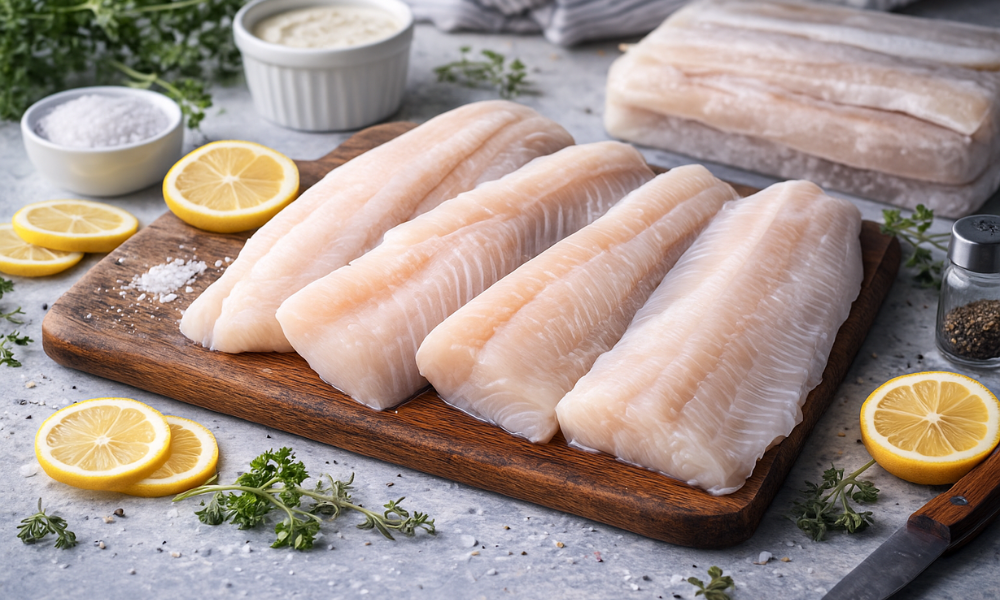
Alaskan seiti is another name for Alaska pollock. It is a light fish with a soft taste that people use in many easy meals. Many families buy it because it is not expensive, cooks fast, and works with many spices and sauces. It is also known for its lean meat, which means it has low fat and good protein. This makes it a good choice for people who want healthy food without strong flavors.
Alaskan seiti comes from cold northern waters. These areas follow strong rules to keep fish stocks stable. Because of this, many Alaskan seiti products come from fisheries that focus on long-term care of the ocean. This is one reason people trust it as a safe and steady seafood option.
In this article, you will learn what this fish is, how it is caught, why it is healthy, and how you can cook it at home. Each section gives clear and simple information, so you understand this fish even if you are new to it.
What Is Alaskan Seiti / Alaska Pollock — Definition & Origins
Alaskan seiti is the name many people use for Alaska pollock, a fish known in science as Gadus chalcogrammus. It belongs to the cod family, which includes other cold-water species with mild flavor and white meat. In older guides you may also see the name Theragra chalcogramma, which was used before the species was placed under its current classification.
This fish has more than one common name. Some call it Alaska pollock, others say walleye pollock, and in some regions it is known as alaskan seiti. These names all point to the same species. The differences come from language, location, and fishing traditions, not from changes in the fish itself.
Alaskan seiti lives in cold northern waters. Large groups swim in the North Pacific Ocean, the Bering Sea, and the Gulf of Alaska. These areas have deep, icy waters that support rich marine life. The fish move in schools and follow seasonal patterns, which helps fishers predict where they will be during different times of the year.
Population, Fisheries and Sustainability Status
Alaskan seiti is one of the most widely caught fish on the planet. Large fishing fleets in northern waters depend on it, and many food companies use it in everyday products. Because of this huge demand, experts watch its population very closely to make sure stocks stay healthy.
Catch Volumes and Global Importance
Alaska pollock ranks near the top in total yearly catch numbers. Many countries rely on it for steady seafood supply. This high volume comes from large schools that gather in cold waters and follow clear seasonal paths, which makes it easier for fleets to locate them during fishing seasons.
Certification and Fishery Management
Many fishing areas that harvest alaskan seiti follow strict rules. Some regions earn approval from groups like the Marine Stewardship Council (MSC). These groups check how the fish is caught, how much is taken, and whether fishing methods protect the ocean. When a product has an MSC label, it shows that the fish came from a well-managed source.
Concerns About Overfishing
Even with strong rules, some sources mention pressure on the species in certain regions. The risk depends on local practices, demand, and how well the fishery is managed. This is why shoppers should check labels for origin and certification. Products from responsible areas are a safer choice for long-term ocean health.
Nutritional Profile and Health Benefits
Alaskan seiti is known for its clean, simple nutrition. It is a light fish with very little fat and a good amount of protein, which makes it a solid choice for people who want healthy meals without heavy calories.
Basic Nutrition in 100 g
A raw 100 g piece of alaskan seiti has very low fat, usually less than 1 g. The protein level stays around 16 to 17 g, which is high for such a lean fish. The calories stay low, often between 70 to 75. This makes it easy to add to meals without raising the total calorie count.
How It Compares to Other Fish
Many fish have more oil and a stronger taste. Alaskan seiti has a mild flavor and less natural oil, so it feels lighter on the stomach. It cooks fast, stays soft, and works well for people who prefer gentle-tasting seafood. It is often chosen as an alternative to richer fish like salmon or mackerel.
Key Health Benefits
The low fat and high protein mix makes this fish great for people who want lean meals. It fits well into weight plans, low-fat diets, and simple daily cooking. The protein helps with muscle support, and the low calorie count makes it easy to include in a balanced diet. It also works well for families who want healthy seafood that is easy to prepare.
Culinary Uses and Preparation Methods
Alaskan seiti is simple to work with in the kitchen. Its mild taste and soft texture make it fit many cooking styles, so both beginners and home cooks can use it without stress.
Common Ways It Is Sold
You can find alaskan seiti in many forms. Fillets are the most common, sold fresh or frozen. It also comes in frozen blocks, which many people use for large meals. Food companies often turn it into surimi, which is used in imitation crab. You also see it in ready-made breaded fish products like fish sticks or patties.
Cooking Methods
This fish works with almost any cooking method. You can bake it for a clean, simple meal. You can fry or pan-sear it for a crisp outside. You can boil it for soups or light dishes. It cooks fast, and many people prepare it straight from frozen when they need a quick meal.
A Versatile Ingredient for Many Styles
Because the flavor is gentle, it takes on any seasoning you use. It fits well in European meals with herbs and butter. It also works in fried dishes, simple home meals, and fish-finger style recipes. You can pair it with sauces, spices, or light marinades.
Helpful Tips for Better Cooking
Thaw the fish in the fridge when you can. This keeps the texture firm. If you cook it frozen, add a little extra time but avoid heating it for too long. Overcooking makes it dry, so stop cooking when the flesh turns white and flakes easily. A little care keeps it soft and moist, which gives the best taste and mouthfeel.
Common Misconceptions and Lesser-Known Facts
Alaskan seiti has a simple look and mild taste, so people often make quick assumptions about it. Some ideas are true, but many are not. Here are a few points that help clear the picture.
Frozen Fish vs Fresh Fish
Many people think frozen pollock is lower in quality. This is not always true. Most alaskan seiti is frozen soon after it is caught. This keeps the taste and texture in good shape. In some stores, “fresh” fish may have been stored for days before it reaches the counter. In these cases, frozen fish can be the fresher option.
Taste and Texture Differences
Some people say alaskan seiti tastes bland. Others like it for the exact same reason. Its clean flavor makes it easy to mix with spices, herbs, and sauces. You can make it mild, bold, or spicy depending on what you add. This flexibility is the reason many families choose it for daily meals.
Sustainability Depends on the Source
Many Alaska pollock fisheries follow strong rules and focus on long-term ocean health. These areas are known for responsible practices. But not every region uses the same standards. Fisheries outside certain zones may not follow the same level of care. This is why checking labels for origin and certifications can help you make better choices.
How to Choose, Buy, and Store Alaskan Seiti
Finding good alaskan seiti is easy when you know what to look for. A few small checks can help you pick better products and keep them in good condition at home.
What to Look for on the Label
Start with the origin. High-quality alaskan seiti often comes from the Bering Sea or the Gulf of Alaska because these areas follow strong fishing rules. Look for MSC or other sustainability marks to make sure the fish comes from a responsible source. Check if the product is a whole fillet or minced fish. Fillets give better texture, while surimi works for ready-made items like imitation crab.
How to Store It the Right Way
Keep frozen fish at a steady cold temperature. Do not thaw it on a warm counter for long hours. If you want to thaw it safely, keep it in the fridge overnight. If you need it faster, place the sealed fish in cool water. Some people thaw it at room temperature for about three hours, but make sure the place is clean and not too warm. Once thawed, cook it the same day for the best taste.
Smart Buying Tips
Price can change based on form and brand. Whole fillets cost more than processed options, but they offer better quality and fewer additives. If your goal is clean eating or better texture, choose fillets. If you want quick meals, surimi or breaded products may be fine. Buy only the amount you can store safely, and check the package for damage or signs of freezer burn.
Why Alaskan Seiti Deserves a Spot on Your Plate
Alaskan seiti is simple to cook, light on the stomach, and easy to fit into many meals. It works for a wide range of people, from those who watch their diet to families who want quick and healthy dishes.
Great for Lean Protein Needs
This fish is low in fat and calories, so it helps people who want clean meals without extra heaviness. Many choose it for weight plans or general health goals. The protein level is strong enough to support daily diet needs without adding too much energy.
A Good Choice for Families
Alaskan seiti is one of the easiest fish to cook. It works in baked dishes, fried meals, soups, and simple home recipes. It has a soft flavor, so both adults and kids accept it easily. It also costs less than many other fish, which makes it a budget-friendly option for everyday cooking.
A Responsible Seafood Option
People who care about ocean health often pick alaskan seiti from certified sources. MSC labels and similar marks show that the fish came from a well-managed fishery. This helps reduce pressure on wild stocks and supports long-term balance in the ocean.
Conclusion
Alaskan seiti brings together many good qualities in one fish. It is affordable, mild, and rich in protein, making it easy to use in daily meals. It works in many dishes and cooks quickly, which helps busy homes prepare healthy food without effort.
When you choose products from trusted sources, you also support sustainable fishing practices. With the right cooking steps and simple care, this fish offers clean taste, soft texture, and steady nutrition for anyone who wants a healthy seafood choice.
Common Questions People Have About Alaskan Seiti
What kind of fish is alaskan seiti?
It is the same fish known as Alaska pollock. It is a light white fish with a mild taste and low fat.
Is frozen alaskan seiti good quality?
Yes. In many cases it is frozen soon after being caught. This helps keep the texture and taste fresh.
Can I cook alaskan seiti without thawing it?
Yes. You can bake or pan-cook it from frozen. Just add a little extra time and avoid overcooking.
Is alaskan seiti safe for people on a diet?
Yes. It is low in calories and has very little fat. It fits well in weight plans and healthy eating habits.
How do I know if the fish is from a good source?
Look for MSC or similar marks, and check if it comes from the Bering Sea or Gulf of Alaska.
Disclaimer: The information in this article is shared for general understanding. It is based on common nutrition data, cooking practices, and widely known details about alaskan seiti. It is not medical advice or a replacement for guidance from a health expert. If you have allergies, health conditions, or special diet needs, speak with a qualified professional before making changes to your diet. Always follow safe food handling and cooking practices to protect your health.
Enjoyed reading? Check my website for more useful and unique content: Old Welwyn Herts