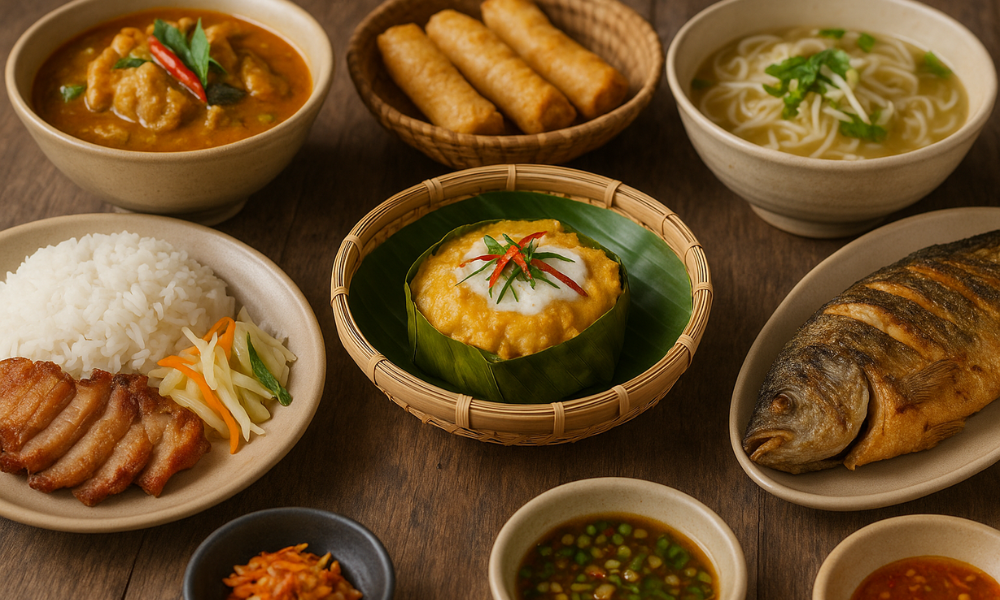
Cambodian food has a warm and honest feel. It comes from simple cooking methods, fresh ingredients, and old traditions that people still follow today. When someone tries Cambodian food for the first time, they taste a mix of soft spice, gentle sweetness, fresh herbs, and rich flavours from fish and rice.
Many travellers enjoy this cuisine because it shows the daily life of Cambodia. It reflects the farms, rivers, and family kitchens that shape the country. In this article, you will learn how Cambodian food works, what dishes stand out, and why this cuisine is becoming popular for people who love real and comforting meals.
The Roots of Cambodian Cuisine
Cambodian cuisine comes from the old Khmer culture, where people lived close to rivers, rice fields, and the coastline. The land gives farmers fresh rice, fish, and many herbs, which shaped the everyday food of families. The rivers give a steady supply of freshwater fish, and the coast brings seafood, so both play a big part in meals across the country. Over time, Cambodia also learned ideas from nearby places like Vietnam, Thailand, and China.
Even with these outside touches, Cambodian cuisine kept its own style. The food focuses on balance. It brings together sweet, salty, sour, and bitter tastes in a simple and natural way. Rice stays the main part of most meals, and it pairs with fish, fresh vegetables, and herbs that add soft aroma and colour to the food. This mix of history, land, and local flavour gives Cambodian cuisine its honest and original identity.
Signature Dishes You Must Try in Cambodian Food
To understand Cambodian food, it helps to look at the dishes people love most. Each one shows a different side of the country’s cooking style. Here’s a simple breakdown of the most famous choices:
- Fish Amok
Soft, creamy, and full of flavour. Fish amok is steamed with coconut milk and a gentle spice paste. Many call it a national dish. It has a smooth taste and a light texture that makes it easy to enjoy. - Bai Sach Chrouk
A simple grilled pork and rice meal. People eat it in the morning. The pork cooks slowly, so the flavour stays tender. It’s served with rice and sometimes pickled vegetables. - Khmer Red Curry
A rich curry made with coconut milk. It is not as spicy as Thai curry. It uses local vegetables, meat, or fish. The flavour is warm and mild, so anyone can eat it without feeling heat. - Nom Banh Chok
Fresh noodles topped with a green fish curry mix. It comes with herbs and raw vegetables. Many Cambodians enjoy it as a morning dish. The taste is light and refreshing. - Kuy Teav
A noodle soup with broth made from beef or pork bones. It is a comfort dish people eat at any time of the day. Vendors serve it with lime, herbs, and bean sprouts.
These dishes show how wide Cambodian food can be. Some meals feel simple and street-style, while others look more traditional and thoughtful. Together, they show the heart of Cambodia’s cooking.
The Street-Food & Local Market Experience
Cambodian food feels most alive in the streets and open markets. The day starts early, and many locals eat breakfast outside their homes. You’ll see small stalls with smoke rising from grills, pots of hot broth, and trays filled with snacks. Vendors prepare fresh dishes on the spot, and people stop by for a quick and warm meal. This is a daily routine in many parts of Cambodia.
To understand the bold side of Cambodian food, you’ll also notice some adventurous options. Some stalls offer fried tarantulas, grilled lizards, and giant water bugs. These items surprise many travellers, but they are part of local food history. People in Cambodia have been eating these for years, and they see them as normal snacks.
Street food and local markets give the real picture of Cambodian life. The prices stay low, the food stays fresh, and the atmosphere feels open and friendly. Eating in these places helps travellers experience the true flavour of the country. It shows how Cambodian food comes from simple cooking, local ingredients, and a strong connection to community life.
Key Ingredients & Flavour Profiles in Cambodian Cuisine
Cambodian food uses simple ingredients that appear again and again in daily cooking. Many dishes rely on items like fish sauce, fermented fish paste called prahok, lemongrass, galangal, turmeric, and coconut milk. These ingredients add depth without making the food too heavy. They also give a clean aroma that makes the cuisine easy to enjoy.
A big part of Cambodian cooking comes from a paste known as kroeung. It is a mix of lemongrass, turmeric, galangal, garlic, and other herbs. Cooks pound everything by hand, so the paste has a strong natural scent. Kroeung works as the base for curries, soups, and many traditional meals.
Cambodian food follows a soft balance of taste. The dishes are not extremely spicy. Instead, they mix sweet, salty, sour, and bitter in a calm way. Each flavour sits lightly, so the food feels warm and pleasant.
The country’s land also shapes the ingredients. Freshwater fish comes from the rivers. Rice grows in large open fields. Herbs grow easily in the climate. Tropical fruits add freshness to daily meals. This close link to local produce keeps Cambodian cuisine natural, seasonal, and full of honest flavour.
Modern Adaptations & How Cambodian Food Is Evolving
Cambodian food is slowly becoming more modern. The old family recipes are still used, and the taste stays the same, but the style and presentation look a little more updated now. Young chefs in Cambodia are playing a big role in this change. They use fresh vegetables, herbs, and fish from local farms. This keeps the food natural, but the look feels more modern. The change is smooth and natural, and the real taste of Cambodian food stays safe.
The Rise of Chef-Led Restaurants & Farm-to-Table Cooking
One of the biggest changes in modern Cambodian food is the new way chefs serve traditional dishes.
- Chefs use clean and fresh ingredients
- They work with local farmers
- Herbs, vegetables, and spices come straight from the farm
- The flavour stays traditional
- Only the presentation becomes more modern
Because of this, the natural taste and quality of Cambodian food stand out even more.
How Cambodian Food Is Reaching International Audiences
Cambodian food is not limited to Cambodia anymore. It is now reaching people in many other countries through:
- Fusion dishes, where Khmer flavours are mixed with Western or Asian styles
- Cooking classes for travellers, where they learn amok, noodles, and Khmer curry
- Restaurants abroad that serve Cambodian dishes in a simple and friendly way
- Social media, where people share their Cambodian food experiences
This helps new people understand and enjoy Cambodian food easily.
Keeping Authenticity Safe While Adding New Ideas
Even with new changes, Cambodian cuisine is not losing its true identity.
- Kroeung paste, lemongrass, galangal, and coconut milk are still used
- The soft balance of sweet, salty, sour, and bitter flavours remains the same
- Chefs add creative touches but protect the real taste
- Food brands and restaurants still highlight Cambodian culture
This way, Cambodian food becomes modern but also keeps its original heart and flavour.
How to Experience & Enjoy Authentic Cambodian Food
You can understand the real taste of Cambodian food when you eat it in the places where local people eat. The food is simple, fresh, and natural. If you choose the right spots, you can enjoy the true flavour, not the tourist-style version. This section helps you enjoy Cambodian food in the best and easiest way.
Where to Eat for Real Cambodian Taste
Street markets
Food is cooked fresh, the prices are low, and the flavour is real. Morning markets are great for breakfast.
Small local restaurants
These places follow local recipes, spices, and cooking styles. Tourist restaurants often make the flavour lighter.
Try new dishes
Nom banh chok, kuy teav, grilled fish, and simple rice dishes give a very natural Cambodian taste.
How to Order the Right Way
Check freshness
Fish, herbs, and vegetables should look fresh. Cambodian food tastes best when the ingredients are fresh.
Ask about spice level
Cambodian food is usually not very spicy, but some dishes can have a little heat.
Traditional or tourist style
Many restaurants cook two versions. The traditional one has a stronger, more real flavour.
Daily specials
Dishes made every day are usually the freshest and most tasty.
Dietary Notes to Remember
- Vegetarian options are fewer because many dishes use fish sauce or prahok
- Seafood is very common because Cambodia has many rivers and a long coast
- Some markets have unusual items like fried insects or grilled frog — these are for adventurous people
For a Deeper Food Experience
Cooking classes
You can learn how to make dishes like amok, Khmer curry, and kroeung paste.
Food tours
Local guides take you to hidden places where real Cambodian flavours are found.
These activities help you understand the taste, the cooking style, and the culture behind Cambodian food in a simple and enjoyable way.
Why Cambodian Food Matters: Culture, Identity & Tourism
Cambodian food is more than something to eat. It shows the culture, history, and daily life of the people. Every dish has a small story inside it — a story about farming, river life, or old Khmer traditions. Cambodian people use simple ingredients but create deep flavour. This makes their food a strong part of their identity. When someone tries Cambodian food, they don’t just taste the meal… they also feel a part of the country’s lifestyle.
Cultural Heritage in Every Dish
Cambodian cuisine carries the old Khmer history.
- Rice fields support most of the country
- Rivers and lakes give fresh fish for many dishes
- Herbs and spices come from local gardens and farms
Cambodian food shows how people live. Family cooking, small gatherings, and festivals all connect through food.
An Important Part of Tourism
Travellers don’t visit Cambodia only for temples or beaches. They want to explore the food too. Cambodian cuisine helps them understand the country in a simple and real way.
- Street food shows daily life
- Local shops and markets show the real community
- Tasting local dishes helps visitors feel close to the culture
This is why Cambodian food has become a strong part of tourism.
Growing Around the World
In the past, Cambodian food was not as famous as Thai or Vietnamese food. But now, this is changing.
- Chefs in different countries are sharing Khmer flavours
- Food tours and cooking classes help more people learn about the cuisine
- Social media is spreading Cambodian dishes to new audiences
Little by little, Cambodian food is getting global attention for its natural, comforting, and honest flavour. It is now growing with its own unique identity on the world stage.
Conclusion
Cambodian food is simple, fresh, and full of natural flavour. Every dish shows a part of the country’s life, culture, and old traditions. When you try Cambodian food, you feel the warmth of local cooking and the clean taste of fresh ingredients. This cuisine is gentle, balanced, and easy to enjoy.
You can explore it in many ways. Try a bowl of noodles from a street market, taste fish amok in a small restaurant, or make a Khmer dish at home. Each experience helps you understand the real flavour of Cambodia. Cambodian food is worth trying, worth exploring, and worth adding to your food journey. Give it a chance and enjoy the rich and honest taste it offers.
Helpful Answers People Often Look For
What is the Most popular Cambodian dish?
Fish amok is one of the most loved dishes. It is creamy, soft, and full of gentle flavour.
Is Cambodian Food very Spicy?
No, Cambodian food is usually mild. Some dishes have light heat, but it is not extremely spicy.
Does Cambodian Cuisine use a Lot of Seafood?
Yes, because Cambodia has many rivers and a long coastline. Fish and seafood are common in daily meals.
Can Vegetarians find Options in Cambodian food?
It can be a little hard because many dishes use fish sauce or prahok. But some rice dishes, soups, and vegetable meals can be made vegetarian if you ask.
Is Cambodian Cuisine similar to Thai or Vietnamese food?
It has some similarities, but the flavour is softer, cleaner, and less spicy. Cambodian food has its own unique taste and style.
Disclaimer: This article shares general information about Cambodian food for learning and reading purposes. The details, dishes, and experiences may vary from place to place. Always check ingredients if you have allergies or special diet needs. For the most accurate information, it is best to ask local experts, chefs, or guides.
Enjoyed reading? Check my website for more useful and unique content: Old Welwyn Herts